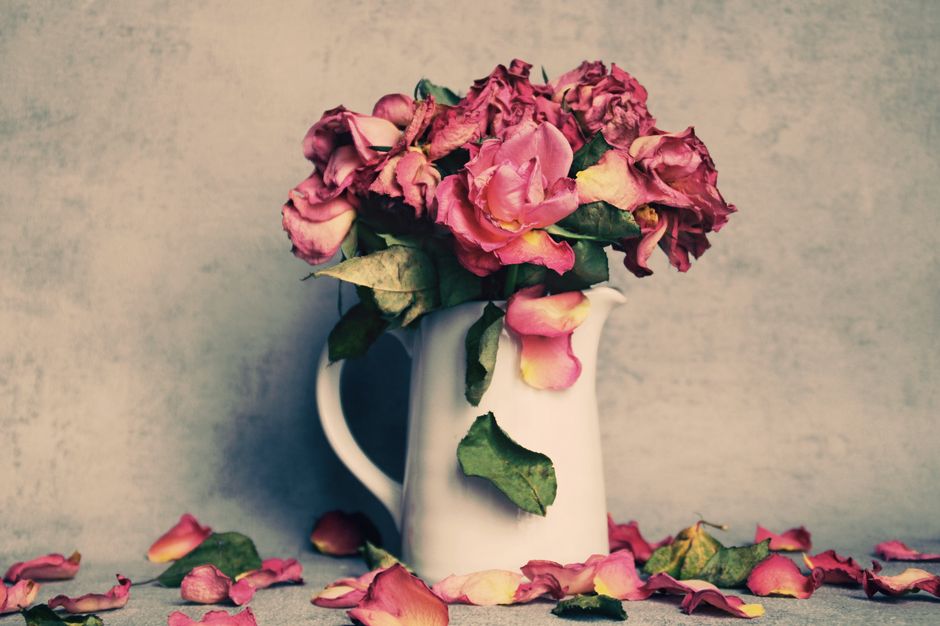
What to Do with Wilted Bouquets After a London Event
If you have ever packed down a wedding, conference, gala, or product launch in London and found yourself staring at a table full of tired roses, drooping peonies, and petals on the floor, you are not alone. Wilted bouquets are one of those small post-event headaches that somehow feel bigger at the end of a long day. So, what to do with wilted bouquets after a London event? The short answer is: sort them properly, salvage what still has life, and choose the most sensible next step for the venue, the client, and the planet.
Truth be told, there is rarely a single perfect answer. Some flowers can be revived. Some can be repurposed into smaller arrangements. Some should be composted, and a few need to be removed carefully to avoid mess, odour, or contamination. In London especially, where event turnaround can be tight and waste handling needs to stay tidy and considerate, having a plan matters more than people think.
This guide walks you through the practical options, the mistakes to avoid, and the best way to make wilted event flowers useful again instead of letting them become a soggy afterthought. It is written for event planners, florists, venue teams, office managers, and anyone else who has ever said, "Right, what now?" at the end of an event.
Why What to Do with Wilted Bouquets After a London Event Matters
Wilted bouquets are not just a visual issue. They affect cleanliness, waste volume, turnaround time, and even the impression left behind in a venue. In London, where events often end late and the next booking may be arriving the same morning, flower disposal cannot be an afterthought. The end-of-event floral close-down is part housekeeping, part logistics, and part sustainability decision.
Think about a reception in a central London hotel at 10:30 p.m. The room smells faintly of champagne, candles are low, and the floral displays are starting to bow under their own weight. If nobody has a plan, those bouquets may sit overnight in warm water, shed petals onto linens, and create more work for the early crew. That is avoidable. A quick, sensible process saves time and keeps the venue looking professional.
There is also a sustainability angle. Fresh flowers are beautiful, but they are still a resource. If they are thrown away without any attempt to reuse, donate, compost, or recycle, a lot of value is lost. Many clients now expect event suppliers to think this way. Even when they do not say it outright, they notice the care. People do remember the details. Funny how that works, really.
And there is a practical cost angle too. If you can extend the life of a bouquet by a day or two, use the blooms in a second setting, or arrange them for charity donation, you get more out of the original investment. It is a small operational win, but in event work those small wins stack up.
How What to Do with Wilted Bouquets After a London Event Works
The process is simpler than it sounds. Start by assessing the condition of the flowers, then separate what can be saved from what should be removed. Once that is done, decide whether the bouquets are suitable for reuse, donation, drying, composting, or general waste. The right choice depends on freshness, hygiene, the event type, and how quickly the flowers can be handled.
Most bouquet close-downs fall into the same basic workflow:
- Inspect the flowers immediately. Look for bent stems, browned petals, slimy water, mould, and any strong smell.
- Separate usable blooms. Remove flowers that still have structure, decent colour, and firm stems.
- Trim and hydrate where possible. Fresh cuts and clean water can bring some stems back.
- Repurpose or redistribute. Move suitable flowers into smaller arrangements, bud vases, or staff areas.
- Donate if appropriate. Some bouquets can be passed on to hospitals, care homes, shelters, or community spaces, provided hygiene and acceptance rules are followed.
- Compost or dispose of the rest. Anything beyond saving should be removed promptly and cleanly.
The key is not to wait until the next morning unless you have no choice. Flowers change quickly after an event, especially in heated rooms, near windows, or under lights. A bouquet that looks merely tired at 8 p.m. can be much worse by 8 a.m. If you have ever opened a room the day after a function, you know the look. A bit sad. A bit defeated. Not ideal.
Key Benefits and Practical Advantages
Handling wilted bouquets properly gives you more than a tidy room. It improves the whole event operation.
- Less waste: More of the floral budget is used effectively instead of being discarded immediately.
- Better presentation: Rooms are cleared faster and look more polished after guests leave.
- Lower labour friction: Staff spend less time improvising in the cleanup phase.
- Stronger sustainability story: Reuse and composting support greener event practices.
- Better client experience: Clients see that the floral part of the event was handled thoughtfully from start to finish.
- Possible charitable value: Flower donation can add a human touch after a celebration, which people genuinely appreciate.
There is also a quieter benefit: it reduces decision fatigue. When people are tired at the end of an event, they do not need more choices, they need a clear process. A sensible flower aftercare plan removes the guesswork. That alone is worth a lot.
Expert summary: The smartest approach is usually to sort quickly, salvage the strong stems first, repurpose where appropriate, and remove the rest without delay. Think tidy, practical, and humane. Not dramatic. Just done well.
Who This Is For and When It Makes Sense
This topic matters to more people than you might expect. It is not only for florists. In practice, any team responsible for the last hour of an event can benefit from a simple post-flower plan.
- Event planners who need smooth breakdown and fewer waste surprises.
- Florists who want to protect their reputation and maximise value for clients.
- Venue managers who need quick turnaround and clean back-of-house handling.
- Corporate teams planning launches, conferences, and hospitality events.
- Hospitality staff looking after weddings, private dining, and seasonal celebrations.
- Families or private hosts dealing with wedding bouquets or party arrangements at home after a London celebration.
It makes sense whenever the flowers are not fully finished. That sounds obvious, but there is a difference between flowers that are beyond rescue and flowers that are simply tired. A bouquet that has lost some shape may still be beautiful in a smaller vase, on a bathroom shelf, or in a staff entrance. It does not need to look perfect to still have purpose.
It also makes sense when a client has sustainability expectations. In London, many event briefs now include greener choices, lower waste, or donation preferences. If that is in the mix, the floral close-down should be designed from the start, not patched together at the end.
Step-by-Step Guidance
Here is the practical workflow we recommend after a London event. It is straightforward, and it works best when someone owns it rather than everyone assuming someone else will sort it.
1. Gather the bouquets in one place
Move all floral items to a designated breakdown point. Do not leave smaller bunches scattered across the room. One collection point makes sorting faster and reduces the chance of petals, water, and stems getting tracked everywhere.
2. Check the condition of each arrangement
Look for these signs:
- soft, bent, or split stems
- browned or translucent petals
- cloudy or smelly vase water
- mould on leaves or foam
- heavy petal drop
Flowers with strong stems and only mild droop are often still useful. Flowers with slime, mould, or a bad smell should usually be removed quickly. No one wants that lingering in a service area, especially in a warm room.
3. Remove anything that has crossed the point of recovery
It sounds blunt, but it helps. If a bloom is collapsing, brown, or soft at the head, keep it out of the salvage pile. The better the separation, the better the final result. One rotten stem can spoil a whole jug of otherwise decent flowers.
4. Recut stems and refresh water for salvageable flowers
For blooms that still have life, cut stems at an angle and place them in clean, cool water. Remove leaves below the waterline. If a bouquet is from a recent event and has not been neglected for hours, this can make a real difference. It is not magic, but it helps.
5. Sort by future use
Once the flowers are trimmed and hydrated, divide them into practical categories:
- Reuse for home or office: smaller arrangements for reception areas, break rooms, or waiting areas
- Donate: suitable blooms packaged cleanly and promptly
- Dry: blooms with shape and colour worth preserving
- Compost: organic material that is no longer presentable
6. Store or move them properly
If flowers are being reused or donated, keep them in a cool place away from direct sun, heaters, and busy foot traffic. A back room that stays relatively cool is better than a sunny window ledge. London weather can change quickly, but overheated stems inside a venue are still a bigger problem than drizzle outside.
7. Clear all waste promptly
Bag up unusable stems, soaked wrapping, broken mechanics, and contaminated water. Clean the area fully. This is where a lot of good intentions fall apart, honestly. If cleanup is half done, the room still feels messy.
Expert Tips for Better Results
These are the little details that separate a smooth flower close-down from a chaotic one.
- Use a simple decision rule: if it still looks elegant from a few feet away, consider reuse. If not, move on.
- Work from strongest to weakest: save the best stems first so they do not get crushed while you sort.
- Keep a spare set of clean containers: buckets, jars, and transport vases make salvage much easier.
- Label the destination: reuse, donation, compost, or bin. It avoids second-guessing later.
- Handle scented blooms carefully: heavily perfumed flowers can become overpowering in enclosed rooms if left too long.
- Plan for the actual event timing: a bouquet that lasted beautifully through dinner may still need instant attention by 11 p.m.
One useful habit is to photograph the arrangements before you break them down. Not because you need a dramatic before-and-after, but because it helps with client records, future styling, and learning what held up well. Sometimes the best floral decisions are made after the event, not before it.
Another practical tip: if you are working a lot in central London venues, think about transport time. Bouquets do not like being left in a hot van while the driver navigates late-night traffic. They just do not. Keep the route short, keep the load cool, and avoid crushing stems under heavier items.
Common Mistakes to Avoid
Most floral waste problems are avoidable. They happen when people are tired, rushed, or assuming the flowers will somehow sort themselves out. They will not, sadly.
- Leaving wilted bouquets overnight without water: if they are still salvageable, you are making them worse.
- Mixing good flowers with rotten ones: one bad stem can spoil the whole batch.
- Forgetting venue rules: some spaces have restrictions on cleanup, waste storage, or liquid disposal.
- Overhandling delicate blooms: the more you fuss, the more petals you lose.
- Using dirty containers: bacteria in old buckets shortens vase life fast.
- Waiting too long to decide: indecision is one of the main reasons flowers end up wasted.
- Ignoring donation requirements: not every charity or care setting will accept every arrangement.
There is also a presentation mistake that gets overlooked: repurposed bouquets should still look intentional. Even if they are going into a staff area, they should not look like leftovers dumped into a jar. A small amount of care goes a long way.
Tools, Resources and Recommendations
You do not need a huge kit, but a few basics make the process much easier.
- Clean buckets or vases for recutting and hydration
- Sharp scissors or floral shears for a clean stem cut
- Gloves if you are handling thorny, sticky, or heavily decomposed stems
- Bin bags and compostable liners for organic waste segregation where appropriate
- Paper towels or cloths to manage spills and drips
- Labels or sticky notes to mark reuse, donation, or disposal piles
- Transport crates or boxes to stop arrangements from tipping over
If you regularly handle event flowers, it helps to keep a simple aftercare note alongside your usual floral prep. That note can include which venues allow breakdown on-site, where buckets can be filled, and who decides whether flowers are donated or composted. Little admin, yes. But useful admin.
For general flower handling and aftercare guidance, a dedicated flower-care page can help set expectations before and after the event. If you need broader service or ordering support, flower delivery information may also be useful when you are coordinating replacements or next-day arrangements. For recurring event work, corporate accounts can make planning less messy, which is something anyone in hospitality will appreciate.
Relevant internal resources on this site include flower care advice, flower delivery options, and corporate accounts for regular event needs.
Law, Compliance, Standards, or Best Practice
For wilted bouquets, the main compliance questions are usually about waste handling, hygiene, and venue procedures rather than anything overly complicated. Still, it is worth being sensible. London venues often have specific rules about where waste can be stored, how liquids are disposed of, and whether organic waste must be separated from general rubbish.
If bouquets are going to be donated, hygiene and acceptance criteria matter. Not every care home, charity, or community group can take used flowers, and some will only accept certain conditions. Flowers should be clean, presentable, and transported promptly. It is best to ask first rather than turning up with a car full of slightly sad roses and hoping for the best. That is not a great look.
On the sustainability side, best practice usually means prioritising reuse, then donation where suitable, then composting, and only then general waste. This keeps your process aligned with widely accepted waste hierarchy thinking in practical terms, even if the exact setup varies by venue and local service provider. When in doubt, follow the venue's waste policy and the handling instructions given by your florist or event supplier.
For service expectations, it is also wise to be transparent with clients about what happens after the flowers are used. Some clients expect take-home bouquets, some want donation, and some want a full floral reset with all waste cleared by the end of the night. Set that expectation early. Saves awkwardness later, which is always nice.
Our wider business policies, including sustainability commitments and customer terms, are outlined in the site's sustainability information, returns and refund policy, and guarantees.
Options, Methods, or Comparison Table
Different bouquets need different endings. Here is a practical comparison of the main options.
| Option | Best for | Pros | Limitations |
|---|---|---|---|
| Reuse in smaller arrangements | Fresh-looking flowers with strong stems | Maximises value, reduces waste, looks polished | Needs quick sorting and clean containers |
| Donate | Clean, presentable bouquets with enough life left | Creates goodwill, supports communities | Acceptance depends on recipient rules and timing |
| Dry or preserve | Flowers with shape and character | Extends keepsake value, good for sentiment | Not all blooms dry well; takes time |
| Compost | Fully wilted organic material | Responsible, practical, environmentally sensible | Needs appropriate waste stream access |
| General waste | Contaminated or unusable flowers | Simple final fallback | Least sustainable option |
If you are choosing between reuse and composting, ask one simple question: does the bouquet still have presentational value? If yes, it may be worth another life. If no, do not force it. There is nothing noble about rescuing every last stem if the end result just looks tired.
Case Study or Real-World Example
A typical example comes from a summer corporate event in central London. The venue had several table bouquets, two larger entrance arrangements, and a handful of hand-tied bouquets used for awards and hospitality. By the time guests left, some flowers were still in decent shape, but others had started to droop from the heat and the long evening.
The team did three things. First, they separated the strongest stems immediately after the event ended. Second, they recut and refreshed water for the best flowers, then placed those into smaller reception vases for the following morning. Third, they composted the stems that had turned soft or dropped petals heavily. A few of the cleaner blooms were packaged for donation, but only after checking the recipient's acceptance rules.
The result was simple: less waste, a cleaner breakdown, and a second use for flowers that still had good life in them. Nothing glamorous. Just a tidy, sensible process that made the event feel more considered. The client noticed that too, which is usually the point.
In another scenario, a wedding couple in west London wanted to keep a few arrangements after the reception. Their florist removed the best blooms before teardown, placed them in water, and advised them to change the water the next day. The rest were composted. A small thing, but it meant the flowers lived on in the couple's home rather than heading straight into the bin. People do love that little continuation.
Practical Checklist
Use this checklist at the end of a London event when bouquets are starting to wilt.
- Collect all floral arrangements in one place
- Identify which flowers still look usable
- Separate damaged, mouldy, or rotten stems
- Recut salvageable stems at an angle
- Remove leaves below the waterline
- Place good stems into clean, cool water
- Decide whether to reuse, donate, dry, compost, or discard
- Check venue waste rules before throwing anything away
- Keep transport cool and stems protected
- Clear spilled water, petals, and broken materials
- Record what worked well for next time
Quick reality check: if you are too tired to make a careful decision, pause and sort the best blooms first. That one move usually protects the most value.
Conclusion
Wilted bouquets after a London event do not need to become a messy final act. With a quick sort, a cool head, and a simple plan, many can be reused, donated, dried, or composted in a way that feels orderly and responsible. The goal is not to rescue every stem. The goal is to make sensible use of what is still beautiful, handle the rest cleanly, and leave the venue in good shape.
That is the real answer to what to do with wilted bouquets after a London event: treat them with the same care you gave them on the way in. A small amount of attention at the end can save waste, reduce stress, and close the event with a bit more grace than panic. And after a long evening, grace counts for a lot.
If you are planning floral arrangements for an upcoming function, it helps to think about the end of the event at the beginning. A slightly boring idea, maybe. But a very useful one.
Get a free quote today and see how much you can save.
Frequently Asked Questions
Can wilted bouquets be revived after a London event?
Sometimes, yes. If the stems are still firm and the blooms have only started to droop, recutting the stems and placing them in clean water can help. Flowers with soft heads, mould, or a bad smell usually will not recover well.
What is the best first step after an event ends?
Gather all flowers into one place and sort them immediately. That is the fastest way to separate salvageable blooms from flowers that should be composted or discarded.
Can event bouquets be donated in London?
Sometimes they can, but donation depends on the recipient's rules, the condition of the flowers, and how quickly they can be delivered. Always check first rather than assuming acceptance.
Should I put wilted flowers in water overnight?
Only if they still have a chance of being reused. If they are already slimy, mouldy, or heavily broken down, overnight storage usually just makes the problem worse.
Is composting wilted bouquets a good option?
Yes, if the flowers are no longer suitable for reuse or donation. Composting is usually a sensible end point for organic flower waste when the venue or supplier has the right waste stream in place.
How do I know whether to reuse or throw away a bouquet?
Ask whether it still looks presentable from a few feet away. If the answer is yes, it may be worth reusing. If it looks collapsed, sticky, or badly discoloured, it is probably past saving.
What should I do with flower foam and wrapping?
Separate non-organic materials from the flowers where possible. Wrapping, wire, tape, and floral foam should not be mixed with compost unless your waste provider specifically allows it.
Are there London venue rules I should worry about?
Yes, many venues have their own cleanup and waste-handling procedures. Some restrict where liquid can be tipped, where waste can be stored, or when breakdown must be completed. Always check the venue's instructions.
Can I dry wilted bouquets to keep them longer?
Yes, some flowers dry well if they still hold shape. Roses, eucalyptus, and certain seasonal blooms often preserve better than very delicate varieties. The flowers need to be handled before they become too limp.
What is the most sustainable thing to do with leftover event flowers?
The most sustainable option is usually reuse first, then donation if suitable, then composting. That sequence keeps more material in use and reduces avoidable waste.
How quickly should wilted bouquets be dealt with after an event?
As soon as practical. The longer flowers sit in warm water or a busy breakdown area, the worse they tend to get. For events in London, same-night sorting is usually best.
Do I need special tools to handle event flowers?
No special kit is required, but clean buckets, sharp scissors, gloves, bags, and transport boxes make the job much easier and cleaner. A few basics can save a lot of faff.
Whether you are planning a wedding in a hotel, a business launch in the City, or a private dinner in west London, a thoughtful flower close-down makes the whole event feel more complete. Small detail, big difference.