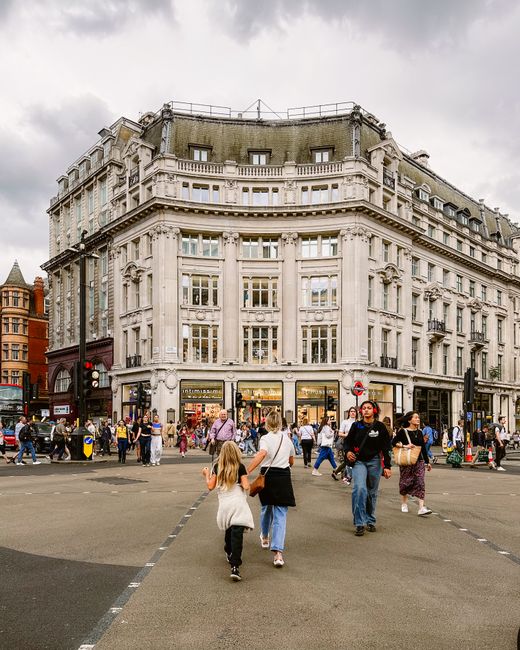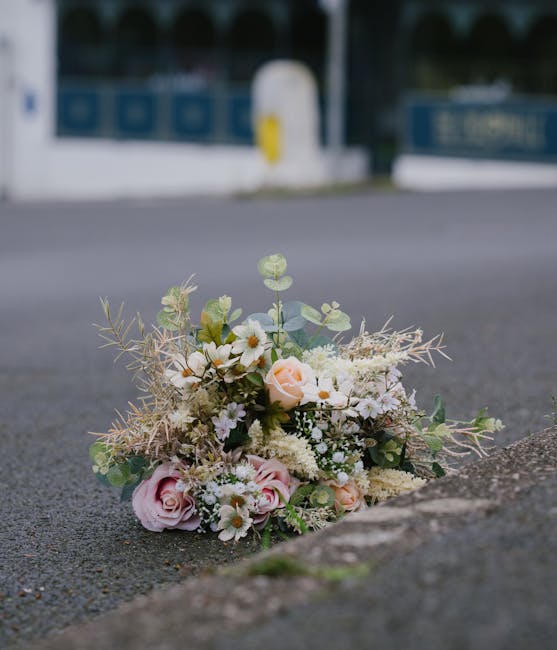
Wedding Blooms Near Oxford Street London: A Practical Guide to Choosing Flowers That Feel Right on the Day
If you are planning wedding flowers near Oxford Street London, you already know this is not just about picking pretty petals. It is about timing, style, transport, freshness, and making sure everything arrives looking calm, elegant, and ready for photos. In a place as busy and central as Oxford Street, the details matter more than people sometimes expect. A bouquet that looks perfect in the morning can feel very different after a delayed delivery, a rushed handover, or a long trip across town. This guide breaks down what wedding blooms near Oxford Street London really involve, how to approach them sensibly, and how to avoid the little mistakes that can turn flower planning into a headache.
Whether you are organising a small civil ceremony, a luxury hotel reception, or a full church-and-reception day, the right blooms should support the mood of the day rather than compete with it. Let's get into the practical side, because truth be told, wedding flowers are one of those things that look effortless only when someone has planned them properly.
Why Wedding Blooms Near Oxford Street London Matters
Oxford Street sits at the heart of central London, and that alone changes how wedding flowers need to be planned. Traffic, loading restrictions, venue access, and the sheer pace of the area all affect delivery and setup. You are not just buying a bouquet; you are coordinating a living part of the day that needs to arrive fresh, be placed quickly, and hold up beautifully through the ceremony, portraits, and reception.
The other reason this matters is style. Oxford Street and the surrounding neighbourhoods often sit close to hotels, private clubs, civil ceremony venues, and stylish restaurants. That means couples tend to want blooms that feel polished, not fussy. Think refined rather than overworked. Classic white roses, garden-style arrangements, seasonal British flowers, soft pastels, or a more modern palette with texture and shape. The setting tends to reward flowers that look intentional and well edited.
There is also the emotional side, which people sometimes forget. Wedding flowers carry a surprising amount of weight in the photos your family will keep, the scent you remember, and the small moment when you first hold your bouquet before the day properly begins. A good florist understands that. A great one understands the logistics too.
Expert summary: In central London, the best wedding blooms are usually the ones that balance style with realism: fresh enough to last, simple enough to transport, and tailored enough to feel personal.
How Wedding Blooms Near Oxford Street London Works
In practical terms, the process usually starts with your venue, date, guest count, and floral priorities. From there, a florist builds a proposal around the arrangements you actually need: bridal bouquet, bridesmaids' bouquets, buttonholes, ceremony flowers, table arrangements, aisle flowers, entrance pieces, or a statement installation if the budget and venue suit it.
Near Oxford Street London, planning often includes an extra layer of coordination. Deliveries may need to be timed carefully, especially if the venue has a specific loading bay, concierge desk, or restricted access window. A florist working in central London will usually think ahead about parking, traffic delays, and the time required to set up without rushing. That sounds mundane, but it is often what keeps flowers looking immaculate rather than slightly flustered.
Flower selection is normally guided by season, colour palette, durability, and how the arrangements will photograph under the venue lighting. A bouquet for a daylight ceremony in a boutique hotel can be very different from one meant for a late-afternoon reception in a darker interior room. Not better or worse. Just different.
If you are also exploring wider delivery options for the rest of the event week, it can help to understand broader service details such as flower delivery and the way central London delivery arrangements are handled. That wider picture can make planning much less stressful, especially when you are juggling multiple suppliers.
A good flow usually looks like this:
- Initial brief and inspiration.
- Venue and schedule review.
- Flower and colour recommendations.
- Quotation and confirmation.
- Ordering, conditioning, and preparation.
- Delivery, setup, and final placement.
Simple on paper. A little more involved in real life, especially in central London on a busy wedding day.
Key Benefits and Practical Advantages
There are real advantages to choosing wedding blooms with Oxford Street in mind rather than treating floral design as an afterthought. First, you get arrangements that suit the pace of the location. Central London weddings are often time-sensitive, so flowers need to be reliable, not just beautiful in theory.
Second, you get better visual impact. The right blooms can soften modern interiors, add warmth to minimalist venues, and help wedding photos feel timeless instead of overly staged. If you have ever seen a reception room suddenly come alive once the flowers arrive, you know exactly what this means.
Third, it helps with guest experience. Well-placed flowers can guide movement through a venue, frame the ceremony space, and make even a compact central London room feel more considered. That is especially useful near Oxford Street, where space can be at a premium.
Fourth, good floral planning can actually reduce stress. That may sound odd, but a clear plan for delivery, setup, and care cuts down the number of decisions you have to make on the day itself. And there are already enough moving parts, aren't there?
- Better time control: blooms arrive when they should, not when the traffic decides to cooperate.
- Better visual consistency: bouquets, ceremony pieces, and table flowers all feel part of the same story.
- Better durability: the right flowers can cope with travel and indoor heat more effectively.
- Better value from the budget: smart seasonal choices often look fuller and fresher.
If sustainability matters to you, it is also worth considering the environmental side of floral sourcing and packaging. Many couples now ask about practical sustainability choices, and if that is on your mind, a florist's sustainability approach can be useful to review early on.
Who This Is For and When It Makes Sense
This topic is for anyone marrying in or around Oxford Street who wants wedding flowers that feel tailored rather than generic. It is especially relevant if your venue is in Marylebone, Mayfair, Fitzrovia, Soho, Baker Street, or anywhere in the wider central London area where transport and timing can be a bit of a puzzle.
It also makes sense if you are:
- planning a city wedding with limited setup time
- booking a hotel or restaurant venue near Oxford Street
- working with a modest space and need flowers to do visual heavy lifting
- after a polished, modern, or classic London style
- shopping for a florist who can manage both design and delivery
For couples living elsewhere, the central London location can feel reassuring too. If you are coming in from outside the area, perhaps from the home counties or elsewhere in London, local awareness makes a noticeable difference. A florist who knows central London and nearby neighbourhoods like Marylebone, Fitzrovia, or Mayfair is usually better placed to anticipate access and timing issues.
It is also a sensible choice if you want one supplier to handle a broader wedding flower brief rather than piecing things together from multiple places. Fewer moving parts, fewer surprises. Usually.
Step-by-Step Guidance
If you want the flowers to feel calm, elegant, and on time, follow a process rather than improvising. Here is the approach that tends to work best.
1. Start with the venue, not the flowers
Look at the room first. Natural light, wall colours, table shapes, ceiling height, and entrance width all affect what will work. A large arrangement can look stunning in a generous ballroom, but heavy in a smaller restaurant setting. The venue tells you a lot.
2. Define the must-haves
Write down what you genuinely need. For example: bouquet, two bridesmaids' bouquets, four buttonholes, two ceremony arrangements, and eight table pieces. Once the essentials are clear, you can decide whether there is room for extras like aisle markers or a floral arch.
3. Set a style direction
Choose a mood before you choose specific flowers. Romantic, modern, minimal, abundant, seasonal, formal, relaxed. This keeps the choices coherent. A florist can then steer you toward blooms that support the style instead of fighting it.
4. Check timing and access
This is one of the bits couples underestimate. Ask how delivery will work, when setup begins, and whether the venue has any access rules. Near Oxford Street, this can make the difference between a calm installation and a last-minute scramble.
5. Confirm stem choices by season
Seasonal flowers usually give the best mix of freshness, availability, and value. If you want a particular bloom out of season, the florist should explain whether it will need to be imported or substituted. Better to know early than be disappointed later.
6. Review the finishing touches
Ribbon, vase style, mechanics, bud vases, and candle pairing all matter. The finishing details are small, but they shape the overall impression. One polished bouquet can make a room feel special; multiple coordinated elements make the whole day feel considered.
As a practical shortcut, ask for photos of similar work if you are unsure. Not as a vanity exercise, just as a sanity check. It helps.
Expert Tips for Better Results
Here is where a little experience saves a lot of stress. The first tip is to be open-minded about substitution. If a florist recommends an alternative bloom because the original choice may not hold up well in the weather or season, that is usually not a downgrade. It is usually the sensible move.
Second, think in textures as well as colours. A bouquet made only of smooth roses can be beautiful, yes, but adding softer foliage, garden flowers, or structural stems often gives the design more depth. It reads better in photos, too.
Third, keep the venue temperature in mind. Central London venues can vary quite a lot. Some rooms are warm, some are cool, and some are a little awkward because of older building layouts. Flowers that are too delicate for the environment may not stay at their best for long.
Fourth, ask about care instructions for the morning of the wedding. A bouquet should not be left in a sunny window or in the back of a warm car. Obvious? Maybe. But on a hectic wedding morning, obvious things get missed.
Fifth, make sure someone other than the couple knows the floral plan. One trusted person can check delivery, sign for arrangements if needed, and answer the odd venue question. That small layer of admin can save real time.
Helpful rule of thumb: If a floral choice looks impressive but seems fragile, awkward to move, or hard to maintain, it may not be the best fit for a central London wedding day.
And one more thing: do not overcomplicate the brief. Beautiful wedding flowers are not always the ones with the most stems. Sometimes the most memorable arrangements are the ones that feel confident and quiet, not showy.
Common Mistakes to Avoid
People often make the same mistakes with wedding flowers, and most of them are easy to avoid once you know what to look for.
- Choosing only by Pinterest image: inspiration is useful, but your venue, season, and budget may be completely different.
- Ignoring access logistics: central London timing can be tricky, especially for loading and unloading.
- Leaving decisions too late: desirable florists and seasonal blooms can book up fast.
- Forgetting scale: tiny flowers can disappear in a large room, while oversized pieces can overwhelm a smaller one.
- Not checking what is included: delivery, setup, and collection are not always handled the same way.
- Mixing too many styles: classic, boho, and ultra-modern all at once can feel muddled.
One subtle mistake is asking for a lot of different flower types simply because you like them individually. In practice, too many varieties can create visual noise. Fewer, better choices often look much more luxurious. Funny how that works.
Another common issue is underestimating how floral arrangements interact with photography. Strongly coloured blooms can be beautiful, but they may dominate small spaces or clash with interior lighting. If your photographer is working in a venue with warm lamps or dark walls, the flower palette needs to be chosen with care.
Tools, Resources and Recommendations
You do not need specialist software to plan wedding blooms, but a few simple tools make the process smoother. A shared mood board, a shortlist of favourite flowers, and venue photos from multiple angles are usually enough to give a florist a strong starting point.
Useful things to prepare:
- venue name and full address
- wedding date and timing
- guest count
- table layout or floor plan if available
- colour palette and outfit details
- photos of floral styles you like and dislike
If you are coordinating flowers for more than one event or more than one location, it may help to understand ordering and payment information clearly. Pages like payment, returns and refund, and guarantees can be worth reviewing so you know what to expect before confirming anything.
Care guidance matters too, especially for bouquets and arrangements that need to stay fresh through a long day. A florist with clear flower care advice can help you preserve the best appearance from delivery through to the last toast.
If your wedding planning sits alongside business or hospitality work near Oxford Street, or if you are arranging flowers for an office, hotel, or multiple events, the page on corporate accounts may also be useful. Not every wedding needs that level of structure, but some do.
Law, Compliance, Standards, or Best Practice
Wedding flowers are not usually a heavily regulated purchase in the way some services are, but there are still practical standards and best practices worth following. For a start, the florist should be transparent about what is being supplied, when it will arrive, and what happens if a product is unavailable. Clear terms are a basic sign of professionalism.
In the UK, customers also expect fair handling of payments, cancellations, returns, and complaints. That does not mean every wedding flower order works like a standard retail item; fresh flowers are perishable, and that changes things. Still, the business should explain its approach clearly. Good documentation helps everyone.
From a venue point of view, you may also need to respect site rules around access, fire routes, candle use, and installation methods. This is especially relevant in central London buildings where staff often have specific requirements for loading, lift use, and break-down timing. If there are floral arches, hanging pieces, or large mechanical installs, ask the venue and florist to confirm what is allowed before the week of the wedding. It saves awkward conversations on the day. Nobody wants that.
Best practice also includes practical safety and handling: secure arrangements so they cannot tip, avoid obstructing walkways, and make sure any decorative materials are suitable for indoor use. If flowers are placed near food service areas, the setup should be neat and stable.
For a broader understanding of service standards, the florist's public policy pages can be useful references, including privacy policy, terms and conditions, and accessibility statement. They do not design your bouquet for you, of course, but they do show how the business handles key expectations.
Options, Methods, or Comparison Table
Not every wedding flower approach suits every couple. The right choice depends on budget, venue size, style, and how much setup time is available. The comparison below gives a simple, realistic overview.
| Approach | Best For | Strengths | Trade-Offs |
|---|---|---|---|
| Minimal bouquet-led flowers | Smaller ceremonies, registry office weddings, tighter budgets | Elegant, easy to manage, lower logistical pressure | Less visual impact in larger venues |
| Seasonal full-service styling | Couples who want a cohesive look across bouquets, tables, and ceremony spaces | Strong design consistency and good value from seasonal stems | Requires more planning and clearer brief |
| Statement installation | Luxury venues, large receptions, photo-focused weddings | High visual drama and strong focal point | Needs access planning, more budget, and experienced setup |
| Mixed fresh and dried styling | Modern weddings or couples wanting texture and longevity | Can be flexible and visually interesting | May not suit every formal venue or floral preference |
For most Oxford Street weddings, a seasonal full-service approach is often the most balanced. It gives enough flexibility to feel personal without creating a complicated production. But if your style is very restrained, a simpler bouquet-led plan can be just as memorable. Sometimes less really is more.
Case Study or Real-World Example
Imagine a couple planning a late spring ceremony at a central London hotel a short distance from Oxford Street. They want the day to feel refined, airy, and not too formal. Their original inspiration board is full of big, dramatic peonies and elaborate installations. Lovely, but not ideal for the room they have booked.
After reviewing the venue, the floral plan shifts. The bouquet stays soft and romantic, but the design becomes more practical: peonies are paired with seasonal roses and lighter textured blooms, table arrangements are kept low so guests can talk easily, and the ceremony piece is simplified to suit the entrance space. Delivery is booked with a careful window to avoid the midday traffic squeeze, and the setup is completed before guests begin arriving.
The result is not less beautiful. It is more believable for the space. The flowers support the room rather than overpower it, and the photographs feel calm and expensive in the best sense of the word. The couple still gets their dream look, just in a way that actually works on the day.
That is the key lesson, really. A good floral plan is not about getting every idea into the room. It is about choosing the right ideas.
Practical Checklist
Use this checklist before you confirm your wedding flowers near Oxford Street London:
- Venue address and access details are confirmed
- Wedding date, ceremony time, and setup window are written down
- Essential items are listed: bouquet, buttonholes, ceremony, tables
- Colour palette and style direction are agreed
- Seasonal flower choices have been discussed
- Substitution policy is understood
- Delivery and collection are clear
- Someone at the venue knows to expect the flowers
- Budget is realistic for the style you want
- Care instructions are shared with the wedding party
Quick takeaway: the best wedding blooms near Oxford Street London are the ones that arrive fresh, suit the venue, and work smoothly with the day's timing. Beautiful is good. Beautiful and well managed is better.
If you are ready to narrow things down, start with the venue and your must-have arrangements, then move outward from there. That simple order saves a lot of back-and-forth, and usually leads to much better floral decisions.
Get a free quote today and see how much you can save.
Conclusion
Wedding blooms near Oxford Street London are about more than decoration. They are part design, part logistics, and part emotional memory. The flowers help define the tone of the day, but they also need to arrive on time, survive the venue conditions, and feel right in the space. When those things line up, the result is quietly magical.
The best approach is usually simple: know your venue, choose flowers that suit the season, keep the plan realistic, and work with a florist who understands central London's pace. That combination gives you better results than chasing a picture-perfect idea that does not fit the room. To be fair, that is true of most wedding planning.
If you take one thing from this guide, let it be this: thoughtful flower planning makes the rest of the day easier. And on a wedding day, easier is lovely.
May your flowers feel fresh, your timing hold, and your day unfold gently, with a little bit of Oxford Street energy and a lot of heart.
Frequently Asked Questions
What are wedding blooms near Oxford Street London?
They are wedding flower arrangements planned for ceremonies and receptions in or around Oxford Street, with attention to central London delivery, venue access, and style.
How far in advance should I book wedding flowers in central London?
As early as you reasonably can, especially if your wedding is in a busy season. Early planning gives you better choice, more time for design decisions, and fewer last-minute compromises.
Can I request specific flowers for my wedding bouquet?
Yes, but availability depends on the season and supply. A florist should explain whether a chosen flower is likely to be available or whether a substitution may be needed.
Are seasonal flowers better for weddings near Oxford Street?
Often, yes. Seasonal blooms tend to be fresher, more suitable for the time of year, and usually better value than forcing an out-of-season choice.
How do I make sure my flowers survive a busy wedding morning?
Keep them out of heat and direct sun, follow the florist's care instructions, and make sure someone responsible knows when the delivery will arrive.
What if my venue has tight access or limited parking?
Tell the florist early. Central London logistics can affect delivery timing and setup, so it helps to plan loading access, lift use, and the installation window in advance.
Do I need flowers for every part of the wedding day?
No. Many couples focus on the bouquet, a few ceremony pieces, and table arrangements. It is perfectly fine to keep things simple if that suits the venue and budget.
What is the difference between a bridal bouquet and bridesmaids' bouquets?
The bridal bouquet is usually larger or more detailed and designed to stand out, while bridesmaids' bouquets are typically smaller and coordinated with the main design.
How can I keep wedding flower costs under control?
Use seasonal flowers, focus on the arrangements that matter most, and avoid adding too many separate design elements. One strong, coherent plan often looks better than lots of disconnected extras.
Should I ask for a flower mock-up or sample first?
It can be useful if you are uncertain about the style or palette, though not every florist works that way. A clear mood board and venue photos may be enough in many cases.
What should I check in the florist's terms before booking?
Look at payment terms, cancellation policy, delivery details, substitutions, and what happens if a product becomes unavailable. Clear terms are a sign of a well-run service.
Can wedding flowers be reused later in the day?
Often, yes. Ceremony arrangements may be repurposed at the reception, and bouquets can be moved for photos if handled carefully. It is a smart way to stretch value without looking stingy.