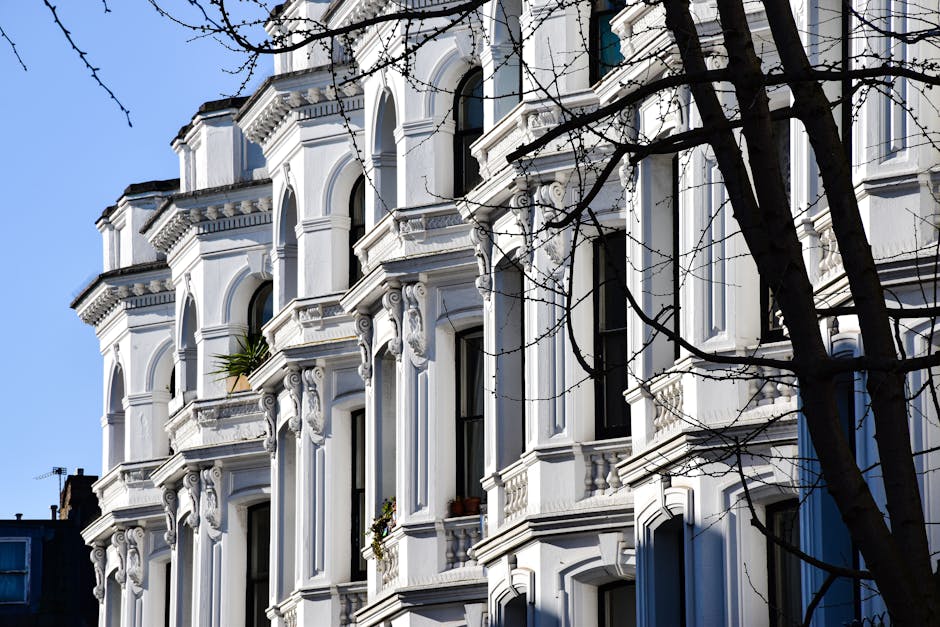
Avoiding Delivery Failures to London Flats and Estates
Delivering to London flats and estates sounds straightforward until you hit the usual mix of gate codes, lift delays, road restrictions, busy concierge desks, and residents who are out when the driver arrives. That is where Avoiding Delivery Failures to London Flats and Estates becomes less of a nice-to-have and more of an everyday operational skill. If you manage parcels, furnishings, stock, or scheduled deliveries in the capital, a small access mistake can turn into a wasted trip, a complaint, or a very long afternoon stuck outside a block of flats with nowhere to unload.
This guide breaks down what causes failed deliveries in London residential buildings, how to reduce them, and what practical systems actually help. You will find step-by-step advice, common mistakes, compliance considerations, and a realistic checklist you can use right away. No fluff. Just the stuff that tends to matter on the ground, especially when the weather turns, the lift is out, or the driver is two streets away and the postcode only gets them halfway there.
One thing to keep in mind: the best delivery systems are rarely the fanciest. They are the ones that make life easy for the driver, the concierge, and the resident at the same time.
Table of Contents
- Why Avoiding Delivery Failures to London Flats and Estates Matters
- How Avoiding Delivery Failures to London Flats and Estates Works
- Key Benefits and Practical Advantages
- Who This Is For and When It Makes Sense
- Step-by-Step Guidance
- Expert Tips for Better Results
- Common Mistakes to Avoid
- Tools, Resources and Recommendations
- Law, Compliance, Standards, or Best Practice
- Options, Methods, or Comparison Table
- Case Study or Real-World Example
- Practical Checklist
- Conclusion
- Frequently Asked Questions
Why Avoiding Delivery Failures to London Flats and Estates Matters
In London, a delivery failure is rarely just a failed delivery. It can mean extra mileage, missed time slots, unhappy residents, a strained relationship with building management, and a knock-on effect for the rest of the route. Flats and estates introduce layers that you do not always see in standard house deliveries: controlled access, shared entrances, separate cores, concierge rules, loading restrictions, no-idling concerns, and a lot of people moving through the same space at once.
Truth be told, a postcode alone does not tell you much. Two buildings on the same street can have wildly different access rules. One may have a staffed reception and a loading bay. The next may require a gate fob, a call to a flat number, and a lift booking that was never confirmed. That is why delivery failure reduction is not really about one big fix. It is about removing small points of friction before they become missed handovers.
The cost of a failed attempt is also not always obvious. There is the obvious driver time, of course, but also:
- rescheduling work and re-routing vehicles
- additional customer service calls
- reputational damage for the sender or logistics provider
- pressure on estates teams and concierges who have to deal with confusion at the door
- more vehicle movement, which can be awkward in dense residential streets
And in a city where everyone is trying to move quickly, a badly planned drop can feel like a tiny traffic jam with paperwork attached. Not ideal.
How Avoiding Delivery Failures to London Flats and Estates Works
The core idea is simple: match the delivery plan to the building reality. You are not just sending a parcel to an address; you are delivering into a specific access environment. That environment may include entry points, concierge handover rules, resident notification systems, lift access, delivery windows, and on-site safety expectations.
A reliable process usually has four parts:
- Capture accurate building data - not just the postcode, but flat number format, entry instructions, access codes, and any estate-specific guidance.
- Confirm the handover method - reception, parcel locker, resident collection point, neighbour acceptance, or doorstep delivery.
- Time the delivery correctly - avoiding school runs, peak congestion, or building-specific blackout periods where access is limited.
- Keep communication clear - with the resident, concierge, dispatcher, and driver all working from the same instructions.
The smoother systems also account for the building type. A high-rise tower with a reception desk is different from a mixed-use estate with multiple blocks and restricted internal roads. A driver arriving just before 8 a.m. may find the lobby quiet, but the concierge is not on shift yet. A later arrival might coincide with resident rush-hour, and suddenly the lift becomes the bottleneck. Small details, big difference.
In practice, it often comes down to one question: can the driver complete the handover without guessing? If the answer is no, delivery failure risk rises quickly.
What usually goes wrong
Most failed drops to flats and estates can be traced back to one or more of the following:
- missing or incorrect access details
- unclear flat numbering or block identification
- driver arrives outside permitted delivery hours
- no one is available to receive the item
- security or concierge procedures are not followed correctly
- vehicle access is blocked by estate layout, bollards, or loading restrictions
Sometimes the issue is almost embarrassingly simple. A flat number is written without the building block. The driver sees the right postcode, but the wrong entrance. Then they call, wait, circle the estate, and the whole thing slows down. It happens more often than people like to admit.
Key Benefits and Practical Advantages
When delivery failures are reduced, the payoff shows up in several places at once. That is part of why this topic matters so much for London operations. You are not only fixing one delivery; you are improving the whole chain around it.
- Fewer wasted journeys - fewer second attempts, fewer delays, and less fuel burned on returns.
- Better customer satisfaction - residents are less likely to chase support or complain about missed arrivals.
- Improved route efficiency - drivers spend less time searching for entrances and more time completing deliveries.
- Stronger building relationships - estate managers and concierges are more willing to help when the process feels organised.
- Lower operational stress - fewer last-minute calls, fewer exceptions, fewer awkward handovers in the rain.
There is also a softer benefit that gets overlooked: confidence. Once a team knows the delivery plan is built for actual London building conditions, people stop second-guessing every drop. That calm matters. It saves time in ways that do not always show up on a spreadsheet.
Practical takeaway: The more consistent your building access data and resident communication, the less likely you are to need awkward doorstep improvisation. That alone can reduce a surprising number of failures.
Who This Is For and When It Makes Sense
This approach is useful for anyone handling deliveries into London residential buildings. It is especially relevant if your operation regularly serves flats, apartments, mixed-use estates, managed developments, or larger housing complexes where access is controlled or variable.
It tends to make the most sense for:
- couriers and last-mile delivery teams
- furniture, appliance, and bulky-item carriers
- ecommerce businesses shipping to residential addresses
- property managers and estate teams coordinating incoming items
- concierge and reception teams who receive parcels on behalf of residents
- housing providers and managing agents trying to reduce resident complaints
If you are running a small local delivery round, you may think the problem only affects large operators. Not quite. Even a modest number of repeat flats can create the same pain points if access notes are poor or residents are not kept informed. One missed lift booking can wreck an otherwise tidy route.
It is also relevant when the delivery itself is time-sensitive, such as medical supplies, replacement equipment, or scheduled installations. In those cases, failure is more than inconvenient. It can unravel the whole day.
Step-by-Step Guidance
Here is a practical approach that works well in real London residential settings. It is not glamorous, but it is solid.
1. Build a better address record
Do not rely on postcode alone. Capture the full delivery context: block name, entrance, flat number format, buzzer details, access code, concierge hours, lift restrictions, and any estate-specific notes. If a development has multiple entrances, say which one. If the resident uses a rear gate or side access, note that clearly.
2. Confirm who will receive the item
Will the resident answer the door? Is reception allowed to accept parcels? Is there a secure parcel room? Does the estate require the item to be signed for by an adult? Getting this wrong is one of the easiest ways to create a failed handover.
3. Set a realistic delivery window
Morning may be best for some towers, while others are easier after the commute rush. Some estates have stricter vehicle access at certain times. If you can, build in some local flexibility rather than forcing every route into the same pattern.
4. Brief the driver properly
Drivers need more than a postcode and a street name. They need the building notes in a readable form, ideally with the most important details at the top. When a route is busy, a driver should not have to hunt through six lines of text to find the gate code.
5. Keep a fallback plan
What happens if the lift is broken? What if concierge is off shift? What if the resident does not answer the intercom? A simple fallback path - reschedule, neighbour acceptance, secure storage, or a return to depot - keeps everyone from making rushed decisions on the pavement.
6. Learn from each failure
Every failed delivery tells you something. Was it the access note? The timing? The building procedure? The wrong entrance? Log the issue and look for patterns. After a few weeks, the same weak points often appear again and again.
Small operational improvements add up. That is the whole game here.
Expert Tips for Better Results
If you want fewer failed drops, the details matter. A lot. These are the habits that usually make the biggest difference in London flats and estates.
- Put the access detail first - if the gate code or entrance instruction is buried at the bottom, someone will miss it.
- Standardise building notes - use the same format across your team so drivers know where to look.
- Use landmarks sparingly but usefully - "next to the pharmacy" can help, but only if it is unambiguous.
- Separate resident instructions from estate rules - these are not always the same thing, and confusing them causes trouble.
- Check for evening noise or access concerns - some residents prefer quiet handovers, especially in dense blocks where sound carries.
- Update notes after every recurring issue - if the side entrance is locked after 6 p.m., say so clearly and permanently.
One of the most useful habits is also the simplest: read the address as if you have never been there. If anything depends on local knowledge that only one person in the office understands, the process is brittle. And brittle systems break. Usually at the worst moment, of course.
If you manage a lot of residential deliveries, it may also help to group buildings by access style rather than just by geography. A tower block in one borough may behave more like another managed estate across town than like the terrace next door. That is the kind of practical insight route planners tend to appreciate once they see it.
Common Mistakes to Avoid
A lot of delivery failures are self-inflicted, which sounds harsh, but it is often true. The good news is that most of the common mistakes are fixable without major investment.
- Assuming all flats work the same way - they do not. Estates vary hugely.
- Using vague notes - "call on arrival" is not enough if the resident is often away.
- Ignoring building operating hours - especially where reception, loading bays, or lift access is time-controlled.
- Leaving drivers to improvise - good operators reduce the need for guesswork.
- Not checking the exact entrance - one wrong doorway can cost ten minutes and a lot of patience.
- Failing to update access changes - temporary works, scaffold, security changes, and repairs alter the delivery picture quickly.
Another mistake is overpromising at the customer service stage. If a building has difficult access, say so carefully and honestly. People generally handle a delay better than a surprise. To be fair, most residents just want clarity and a proper heads-up.
And yes, somebody will still say "but the postcode should be enough." It should not. Not in London flats, not really.
Tools, Resources and Recommendations
You do not need a huge tech stack to improve delivery success, but a few practical tools can make a real difference. The best options are the ones that reduce confusion and keep everyone looking at the same instructions.
| Tool or Method | What It Helps With | Best Use Case |
|---|---|---|
| Standardised delivery notes | Consistent access instructions and building details | Any business sending regular residential deliveries |
| Driver briefing sheets | Fast access to gate codes, entrances, and timing notes | Multi-drop routes across estates and apartment blocks |
| Resident confirmation messages | Reduces missed handovers and wrong timing | Time-sensitive or high-value deliveries |
| Building access logs | Tracks recurring issues and access restrictions | Managed developments and repeat delivery points |
| Exception reporting | Shows where failures happen and why | Operations teams looking to improve performance |
If you already have a customer messaging process, that is a strong starting point. For example, a short confirmation the day before can save a surprising amount of confusion. Even something as simple as "Please make sure someone is available between 2 and 4 pm" can prevent a wasted journey. It does not need to be fancy.
For larger operations, it helps to review the top ten buildings that generate repeated delivery problems. That tends to reveal whether the issue is resident availability, concierge access, layout, or bad data quality. Once you know the pattern, the fix is usually much more straightforward than it first looked.
For related residential service planning, some teams also look at how other building-facing operations are organised. If you need broader service consistency across properties, you may find it useful to review estate management support for residential buildings and residential delivery planning guidance where those pages are available in your site structure. If not, keep the idea in mind: delivery success improves when the building process is treated as part of the service, not an afterthought.
Law, Compliance, Standards, or Best Practice
Residential deliveries in London often sit inside a web of practical rules rather than one single rulebook. Depending on the building and the type of goods, you may need to think about access control, site safety, lifting and handling, nuisance control, parking restrictions, and building-specific procedures. The exact obligations can vary by site and by service model, so it is wise to treat compliance as a live operational issue, not a tick-box exercise.
There are a few best-practice principles worth following:
- Respect building access rules - do not bypass concierge or security procedures.
- Keep walkways clear - especially in busy lobbies, shared corridors, and estate loading areas.
- Handle goods safely - bulky or awkward items should be moved with proper care to avoid damage or injury.
- Do not assume parking or stopping is allowed - London streets and estates often have tightly managed restrictions.
- Communicate timing clearly - residents and building teams need enough notice to plan their part.
If your deliveries involve larger items, more frequent lifting, or special handling, a sensible internal process should include who is responsible, how access is approved, and what happens if the site is not ready. That is especially important in estates where multiple contractors may be working at the same time. Nobody wants three vans trying to squeeze into one loading bay at once. Absolute chaos, really.
Because building rules differ, it is better to describe them accurately than to rely on assumptions. If a site has a formal handover process, follow it. If a concierge requests a delivery at a certain time, record that. If an estate requires the item to remain on the ground floor, that needs to be known before the van leaves the depot.
Options, Methods, or Comparison Table
There is no single correct method for every London flat or estate delivery. The right approach depends on how often you deliver, how sensitive the goods are, and how controlled the building access is. Here is a simple comparison to help you think it through.
| Method | Strengths | Limitations | Best For |
|---|---|---|---|
| Direct-to-door delivery | Simple for residents, familiar process | Higher risk if access is poor or resident is out | Low-restriction buildings and confirmed appointments |
| Concierge or reception handover | Reduces failed doorstep attempts | Depends on staffed hours and building policy | Managed estates and towers with reception teams |
| Resident timed slot | More certainty at the point of delivery | Requires good communication and punctuality | Higher-value, fragile, or urgent items |
| Secure parcel storage | Good for repeat deliveries and missed residents | Needs safe, approved storage and clear tracking | Large apartment buildings with parcel rooms |
| Call-ahead with fallback | Flexible and practical on mixed routes | Can still fail if contact details are poor | Operations that need some flexibility without losing control |
Most businesses end up using a mix of methods rather than one fixed model. That is usually the smart move. The trick is making sure each method has clear rules, so the driver does not have to improvise between building styles.
Case Study or Real-World Example
A property management team handling deliveries to a mid-rise estate in London had a recurring problem: parcels were regularly being returned because drivers kept arriving at the wrong entrance. The building had two access points, a main lobby and a side gate used by residents during certain hours. The instructions on file were technically correct, but not useful under pressure.
What changed? They simplified the notes. The entrance instructions were rewritten in plain language, the gate code was placed first, and the resident was asked to confirm whether the concierge or reception desk would be the handover point. For repeat deliveries, the team added a short line about lift access and the most reliable arrival window. Nothing dramatic. Just clearer information.
After that, the number of failed attempts dropped because the building no longer depended on someone remembering hidden context. Drivers arrived, followed the same steps, and the handover became predictable. Not perfect, because nothing in delivery ever is, but significantly better.
That is the lesson here: reduce interpretation. The more a driver has to interpret a building, the greater the chance of failure.
Practical Checklist
Use this checklist before sending a delivery to a London flat or estate. It is quick, but it catches a lot.
- Full address confirmed, including block, building name, and flat number
- Correct entrance identified and clearly written
- Gate code, buzzer, or access note checked for accuracy
- Delivery window agreed with resident or building team
- Concierge or reception handover rules confirmed
- Lift access or loading restrictions checked where relevant
- Driver briefing includes the most important access details first
- Fallback plan ready if the resident is unavailable
- Temporary works or estate changes reviewed
- Notes updated after any failed or awkward attempt
If you can answer each point without hesitation, you are already in much better shape than most operations. If not, that is your next improvement area.
Quick pre-departure check
Before the van pulls away, ask one simple question: Would a new driver, arriving in the rain at 6:45 p.m., know exactly what to do? If the answer is even slightly uncertain, keep tightening the process. It saves time later.
Conclusion
Avoiding Delivery Failures to London Flats and Estates is really about bringing order to a messy environment. London buildings are busy, varied, and often designed with multiple layers of access. That is not a problem in itself. The problem appears when delivery teams rely on assumptions instead of clear, building-specific information.
The good news is that failures are usually preventable. Better address data, clearer handover rules, realistic timing, and simple communication habits can improve results far more than people expect. You do not need a complicated system to make a real difference. You need a reliable one.
So start with the basics: know the building, respect the access rules, brief the driver properly, and keep learning from each exception. The gains come quickly once the process is grounded in how London flats and estates actually work, not how we wish they worked.
Get a free quote today and see how much you can save.
Frequently Asked Questions
What causes most delivery failures to London flats and estates?
The most common causes are poor access instructions, unclear flat or block details, missed delivery windows, resident unavailability, and building rules that were not communicated properly. In many cases, it is a mix of small issues rather than one big mistake.
How can I reduce missed deliveries in apartment buildings?
Use complete address details, confirm the entrance and handover method, and keep delivery notes in a standard format. If possible, ask the resident to confirm availability before the van arrives. That alone can cut a lot of unnecessary failures.
Do concierge teams accept parcels for residents in all London estates?
No, not all buildings allow it. Some concierges accept parcels routinely, while others have strict limits on item size, storage, or responsibility. Always check the building's own procedure rather than assuming.
Is a postcode enough for flats and estates?
Usually not. A postcode identifies the general location, but not the exact entrance, block, flat format, or access control. For London residential deliveries, that extra detail often makes the difference between success and failure.
What should a good delivery note include?
A good delivery note should include the full address, the correct entrance, access codes or buzzer instructions, the handover method, and any timing constraints. Keep the most important information near the top so it is easy to see on a busy route.
How do I handle deliveries when the resident is not home?
Have a fallback plan in place before the delivery leaves the depot. That may include neighbour acceptance, secure reception storage, rescheduling, or a return-to-base process. The right choice depends on the building and the type of goods.
What is the best time to deliver to London estates?
There is no single best time for every site. The ideal window depends on traffic, concierge hours, estate rules, resident patterns, and whether the building has heavy morning or evening footfall. A route that works in one borough may be awkward in another.
Are delivery failures worse for bulky items?
Often, yes. Bulky items are harder to move, more likely to need lift access or loading bay use, and more sensitive to timing and parking restrictions. A failed bulky-item delivery can quickly become expensive in both time and handling effort.
How should I manage repeated failed deliveries to the same block?
Look for a pattern. Is it the entrance, the timing, the access note, or resident availability? Once you identify the root cause, update the building record and standardise the fix so the issue does not keep coming back.
What if the estate rules change temporarily because of repairs or works?
Update your delivery instructions immediately and tell the people who need to know: dispatch, drivers, and customer service. Temporary works, scaffolding, or gate closures can cause failures very quickly if the information is not refreshed.
Can better communication really reduce delivery failures that much?
Yes. Clear resident messages, concise driver notes, and simple building instructions prevent a surprising number of avoidable mistakes. It is not glamorous, but it works. Often better than people expect, to be fair.
What should I do after a failed delivery attempt?
Record the reason in plain language, check whether the issue was avoidable, and update the address or access notes if needed. If it was a timing or communication issue, fix that before the next attempt rather than just repeating the same approach.